7 Modern Moroccan Rugs in 2×3 to Transform Small Spaces
A 2×3 Moroccan rug delivers authentic North African design in the perfect entry-level size, compact enough for entryways, bathroom corners, and bedside accents yet substantial enough to anchor a cozy reading nook or define a small workspace. These versatile pieces bring the geometric patterns and rich textures of traditional Berber weaving to modern homes without overwhelming tight spaces or requiring furniture rearrangement. The best modern Moroccan rug picks in this compact size now blend centuries-old motifs with practical features like machine washability and non-slip backing, making them ideal for high-traffic zones where cultural style meets everyday function.
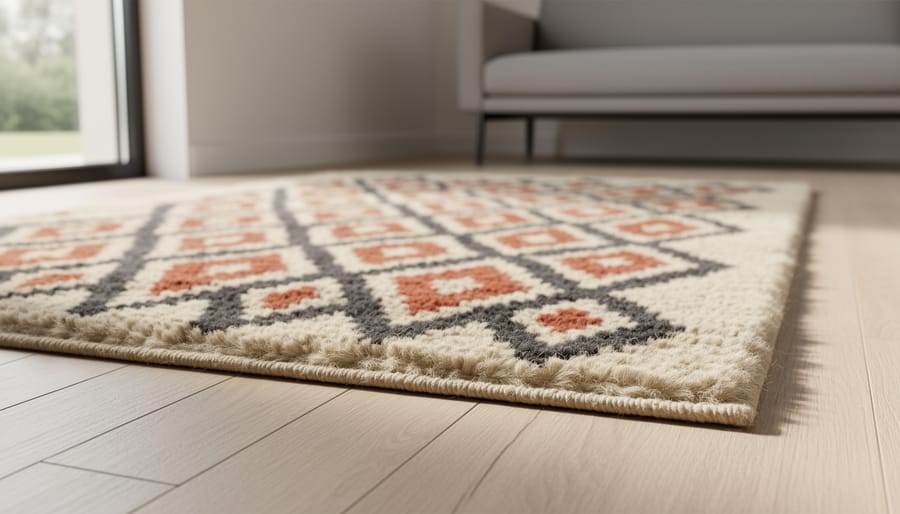
What sets 2×3 Moroccan rugs apart from generic small rugs is their connection to specific weaving traditions. The diamond lozenges you see echo ancient Berber symbols for protection and femininity, while neutral palettes of cream, charcoal, and terracotta reflect the natural dyes and undyed wool historically used by Atlas Mountain weavers. Today’s versions honor these motifs while adapting materials for modern life. Options like the Lahome Moroccan Entry Rug feature rubber backing and dirt-resistant construction, transforming ceremonial artistry into functional doormats. The Tortania Area Rug brings low-pile microfiber softness to traditional boho patterns, creating a washable mat that feels luxurious underfoot yet survives spills and pet traffic.
This guide walks you through seven standout 2×3 Moroccan rugs for 2026, breaking down materials, patterns, and ideal room placements so you can choose a piece that fits both your aesthetic vision and lifestyle demands.
How We Selected These Modern Moroccan Rugs
Choosing the right 2×3 Moroccan rug for a modern home means balancing centuries-old design traditions with today’s practical living requirements. We evaluated each rug in this guide against criteria that honor authentic Moroccan craftsmanship while meeting the demands of contemporary spaces where durability, safety, and ease of care matter as much as visual appeal.
Our selection framework focused on these essential qualities:
- Pattern authenticity: traditional Moroccan motifs including trellis, diamond, tribal, and geometric designs rooted in Berber and Islamic artistic heritage
- Material quality and washability: construction that withstands daily use while allowing for easy cleaning in high-traffic zones
- Pile height variation: low-profile options for doors and kitchens, plush textures for bedrooms and living areas
- Non-slip backing: rubber or latex grips that prevent shifting on hardwood, tile, and laminate floors
- Softness underfoot: comfort for bare feet in bathrooms, nurseries, and bedside placement
- Room versatility: adaptability across entryways, kitchens, layering applications, and accent zones
We compared rugs across these dimensions without locking into specific price points, since costs fluctuate and availability varies by season and retailer. The seven rugs featured here represent distinct solutions for different rooms and lifestyles, each bringing genuine Moroccan character into functional modern settings where beauty and practicality coexist.
1. Lahome Moroccan Entry Rug, The Workhorse for High-Traffic Zones
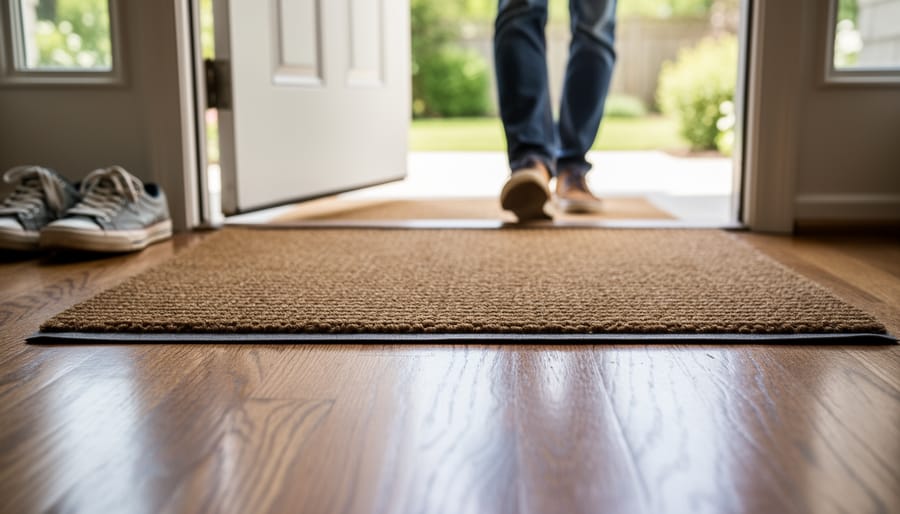
The Lahome Moroccan Entry Rug earns its reputation as a true workhorse. This 2×3 rug tackles the chaos of entryways and mudrooms with a low-profile construction that allows doors to swing freely, no catching or bunching underfoot. The rubber backing grips hard floors firmly, preventing slips when you’re juggling groceries or rushing out the door with wet shoes.
What sets this rug apart is its dirt-resistant and absorbent nature. It captures tracked-in mud, snow melt, and everyday grime before they spread through your home. Toss it in the washing machine when it’s had enough, and it comes out looking fresh. No professional cleaning, no delicate spot treatments, just practical maintenance that fits modern life.
Yet all this functionality doesn’t mean sacrificing beauty. The Lahome displays authentic Moroccan geometric patterns that transform your threshold from purely utilitarian space into a welcoming statement. Traditional diamond motifs and tribal-inspired lines bring warmth and cultural character the moment someone crosses into your home.
In Moroccan culture, the entry rug holds special significance. It marks the transition from the outer world to the sanctuary of home, a threshold where guests pause to be welcomed and dust is left behind. Moroccan families have long used durable, handwoven rugs at doorways, both as practical barriers against desert sand and as symbols of hospitality. This modern interpretation honors that heritage while answering the demands of contemporary households where washability and safety matter as much as tradition.
2. Tortania Area Rug, Ultra-Soft Neutral Boho Charm
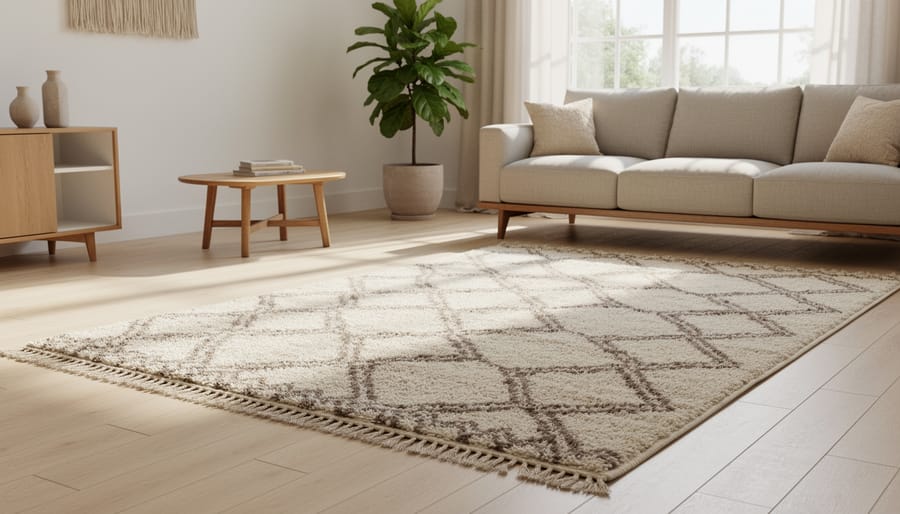
The Tortania area rug delivers something many shoppers don’t expect from a 2×3 Moroccan piece: that sink-your-toes-in softness usually reserved for plush bedroom carpets. Its low-pile microfiber construction feels gentle underfoot, almost velvety to the touch, making it equally suited to a bedside landing spot or a living room accent where bare feet are the norm.
What sets this rug apart is how it walks the line between heritage and contemporary ease. The neutral boho Moroccan farmhouse aesthetic means classic diamond or trellis motifs rendered in soft greys, taupes, or warm creams rather than bold jewel tones. You get the visual rhythm and geometric intrigue that define Moroccan textile tradition, but the muted palette lets the pattern breathe without competing against your existing furniture or wall colors. It’s an ideal choice if you love Moroccan design but lean toward Scandinavian minimalism or modern farmhouse restraint.
Washability adds everyday practicality. Spilled coffee, tracked-in dirt, or pet accidents won’t send you into a panic; most microfiber constructions tolerate gentle machine washing, though always check the care tag. This makes the Tortania versatile enough for living rooms where kids play, bedrooms where morning routines happen, or layered over a larger jute rug to add warmth and pattern depth. Neutral tones also simplify layering: the rug grounds a space without anchoring it to one color story, so you can swap throw pillows or artwork seasonally while the rug holds steady beneath.
3. Trellis-Pattern Wool Rug, Timeless Moroccan Geometry
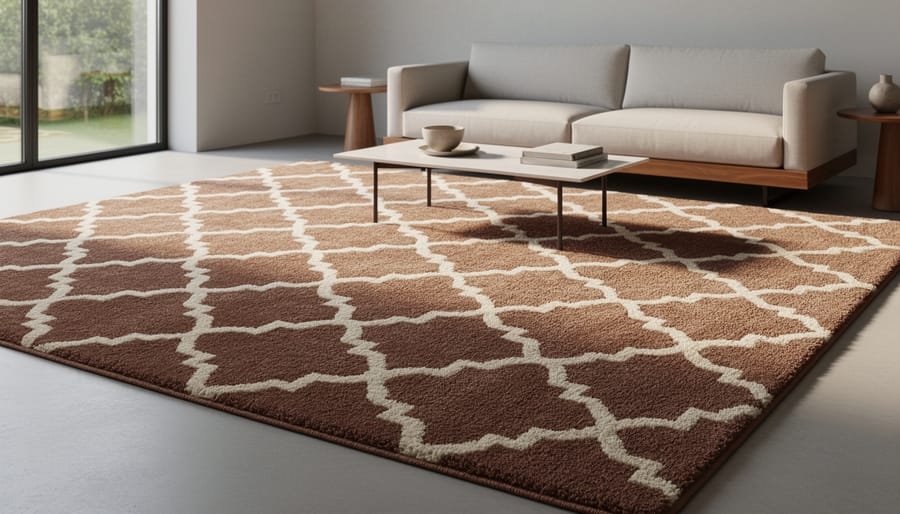
The trellis pattern, known as quatrefoil in Western design circles, traces its lineage directly to the ornate geometric tilework adorning Moroccan palaces and Islamic courtyards. These interlocking diamond-and-ogee shapes weren’t simply decorative, they represented continuity, protection, and the infinite nature of creation in Moroccan visual language. When you place a trellis-pattern wool rug in your home, you’re bringing centuries of architectural heritage down to floor level, where it becomes something you can feel underfoot every day.
Wool remains the gold standard for Moroccan rugs because it delivers what synthetic fibers can’t replicate: natural resilience paired with a texture that improves with age. A quality wool rug in 2×3 won’t mat down in high-use areas the way cheaper materials do. It regulates temperature, staying cool in summer and warm in winter, and it naturally resists stains and odors without chemical treatments. The slight variation in wool’s hand-spun texture gives trellis patterns depth and shadow play that flat synthetic prints lack entirely.
This rug style works best where you want both visual impact and physical comfort, beside the bed where bare feet land each morning, in a reading nook where you might sit cross-legged, or anchoring a small seating area where the craftsmanship merits close inspection. The geometric precision of the trellis pattern grounds modern minimalist spaces without feeling cold, while the wool’s organic texture prevents the design from reading as too stark or industrial.
4. Washable Kitchen and Bathroom Moroccan Mat, Pretty Meets Practical
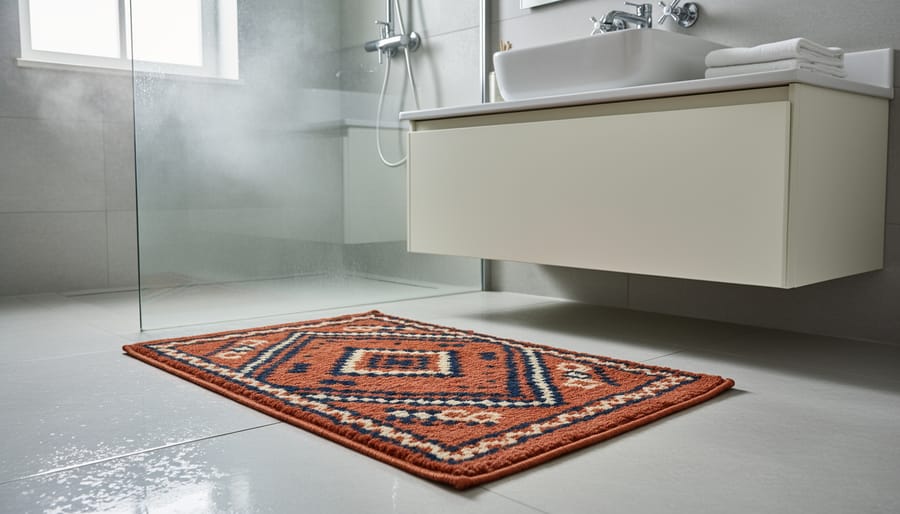
Kitchens and bathrooms demand rugs that can handle spills, splashes, and frequent foot traffic without becoming cleaning nightmares. This is where a washable Moroccan mat earns its keep. Designed for the realities of moisture-prone spaces, these rugs combine machine-washable construction with non-slip backing, so you can toss them in the laundry when inevitable accidents happen. No more tiptoeing around a decorative rug or resigning yourself to bland utility mats.
The genius lies in how Moroccan patterns transform these practical spaces. A geometric diamond motif or a subtle trellis design brings visual warmth to cold tile floors, turning a purely functional bathroom into a small sanctuary. In kitchens, that same pattern breaks up expanses of hardwood or laminate, defining the sink area or stove zone with intentional style. Nurseries benefit doubly: the soft pile cushions little knees during play, while parents appreciate being able to wash away the inevitable messes without hand-scrubbing or professional cleaning.
Look for low-pile construction in these rugs. It allows bathroom doors to swing freely, prevents tripping hazards, and dries faster after washing. Rubber or latex backing keeps the rug anchored on smooth surfaces, crucial when wet feet meet slick floors. The patterns themselves are forgiving, too. Moroccan designs with their repeating geometry cleverly disguise minor stains between washes, maintaining their beauty through daily use.
This marriage of pretty and practical respects both Moroccan textile heritage and modern living. You’re not sacrificing design integrity for convenience. You’re choosing a rug that works as hard as it looks good.
5. Grey Moroccan Entryway Rug, Modern Minimalist Appeal
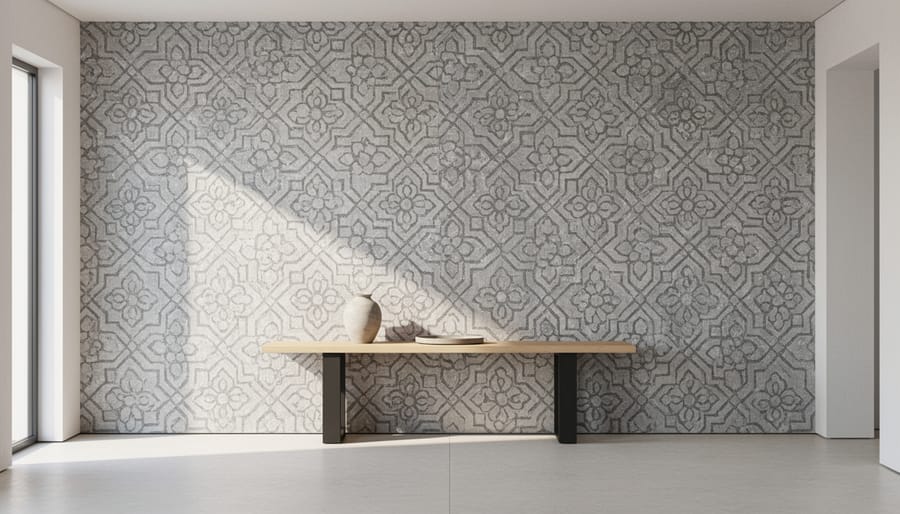
Grey Moroccan entryway rugs have become the secret weapon of designers who want pattern without visual noise. The beauty of grey lies in its chameleon quality, it carries traditional diamond lattices, tribal chevrons, and geometric motifs into spaces that lean minimalist, yet adds enough texture to keep floors from feeling sterile.
A low-pile construction becomes essential at entryways where doors need to swing freely. Moroccan rugs in this profile typically measure under half an inch in height, allowing clearance while preserving the intricate patterns that define the style. This compressed pile also creates a dense, durable surface that withstands the repeated scuffing of shoes, bags, and daily foot traffic without matting or losing shape.
Washability transforms an entryway rug from decorative accent to functional workhorse. Grey hides the inevitable dirt and salt stains better than cream or white, but even the most forgiving color benefits from machine washing. Toss it in on a gentle cycle when muddy season hits, and it emerges looking fresh, a practical luxury that honors both Moroccan craftsmanship and modern lifestyles.
Grey’s real strength shows when bridging design languages. In Scandinavian interiors dominated by pale woods and white walls, a grey Moroccan rug introduces pattern warmth without disrupting the minimalist calm. Pair it with industrial spaces, concrete floors, exposed brick, metal fixtures, and the same rug softens hard edges while its charcoal tones echo raw materials. The Moroccan geometry remains authentic, rooted in centuries of textile tradition, but the neutral palette makes it remarkably adaptable across contemporary aesthetics.
6. Vibrant Pink Moroccan Nursery Rug, Soft Color, Bold Pattern
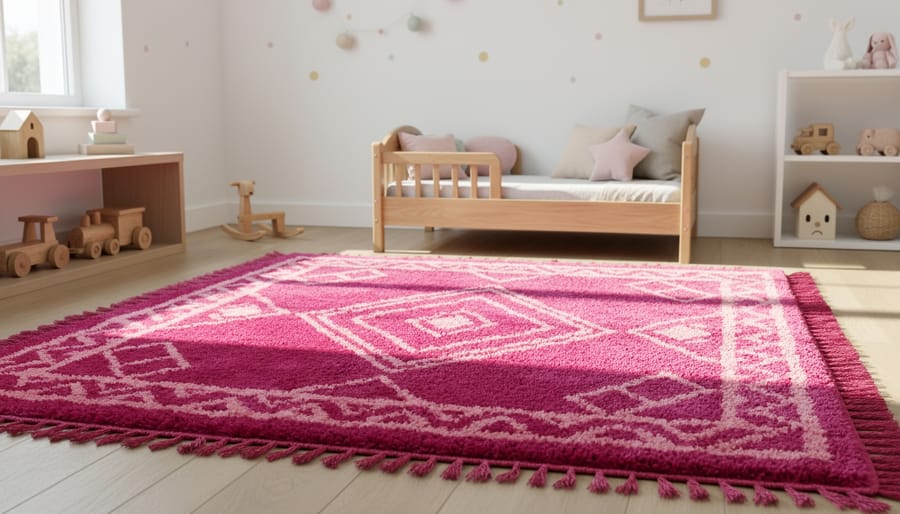
A pink Moroccan rug in a nursery does more than soften footsteps, it infuses the space with cultural warmth and visual delight. The vibrant hues traditionally found in Moroccan textiles weren’t chosen for decoration alone; they served to brighten dim interior courtyards and create emotional warmth in homes built from earth and stone. That same principle transforms a modern nursery, where a playful pink rug featuring geometric Moroccan motifs brings joy and stimulation without overwhelming a child’s developing senses.
For parents, washability matters as much as aesthetics. A nursery rug endures spills, diaper changes, tummy time, and early crawling adventures. Look for low-pile microfiber or washable synthetic constructions that can be tossed in the machine when life gets messy. The soft texture invites barefoot play and provides gentle cushioning for little knees learning to crawl or toddlers building block towers on the floor.
Safety features elevate practicality: non-slip backing prevents the rug from shifting under unsteady feet or during energetic play sessions. The compact 2×3 size fits perfectly beside a crib, under a changing table, or in a reading nook, creating distinct zones within the room. Pair the rug with neutral walls and simple furniture to let the pattern breathe, or layer it into an authentic Moroccan bedroom aesthetic with woven baskets, low seating, and handcrafted touches that honor artisan traditions while serving modern family life.
7. Layering-Friendly Farmhouse Moroccan Runner, Style Multiplier
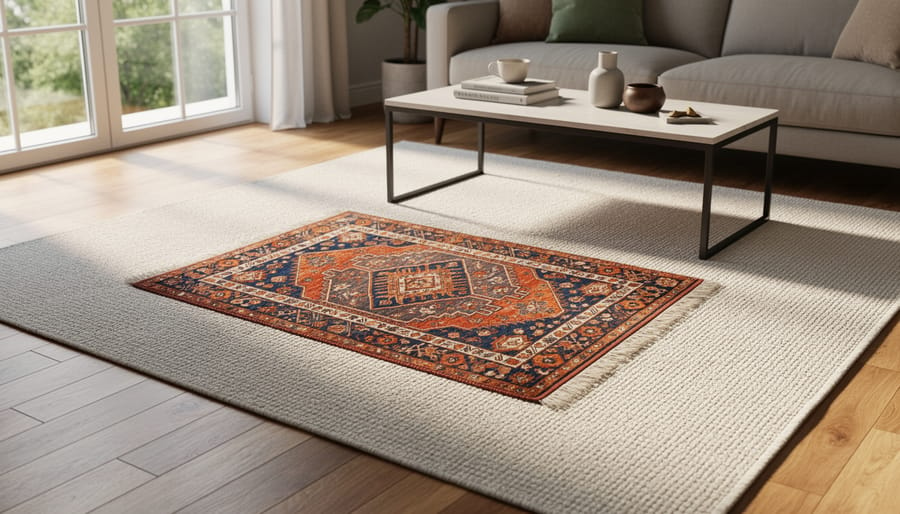
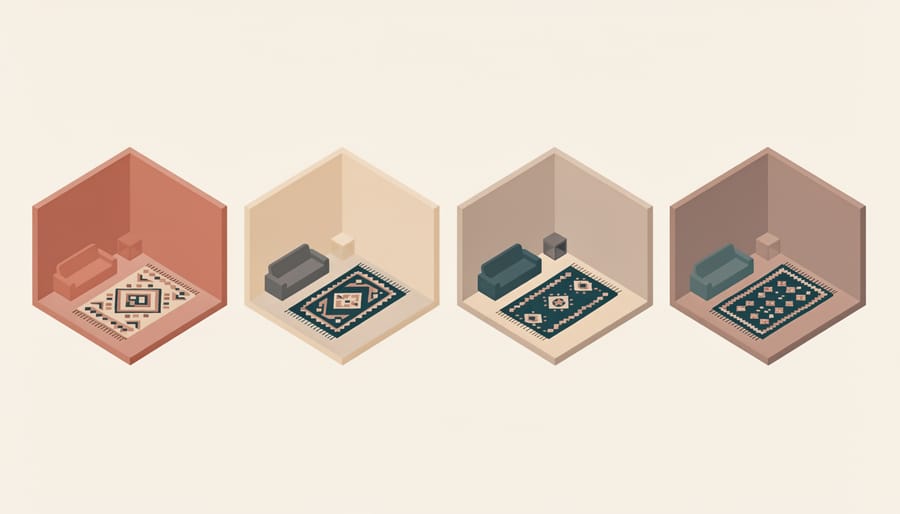
A 2×3 Moroccan rug shines brightest when layered over a larger neutral jute rug, sisal runner, or plain wool base. This styling trick brings instant pattern and personality to a room without the commitment of wall-to-wall boldness. The compact size lets you test Moroccan motifs in your space, rearrange on a whim, or swap seasonally as your mood shifts. Layering transforms a single rug into a statement piece that floats above the foundation, creating visual depth and anchoring furniture groupings with just enough geometric intrigue.
The farmhouse-Moroccan fusion trend thrives on this very contrast: the clean lines and whitewashed simplicity of modern farmhouse aesthetics meet the handcrafted geometry and rich texture of Moroccan weaving. A neutral-toned 2×3 rug with traditional diamond or trellis motifs bridges these worlds beautifully, adding warmth and cultural texture to shiplap walls and rustic wood floors. The scale keeps the look curated rather than cluttered, allowing other farmhouse elements like woven baskets, linen throws, and ceramic vases to breathe.
Try these DIY styling moves for modern bohemian interiors: center a 2×3 Moroccan rug under a coffee table atop a larger natural-fiber rug, place one at an angle in a reading corner to define the nook, or use matching pairs on either side of a bed over hardwood. Layer with intention, leaving a border of the base rug visible to frame the pattern. This approach multiplies visual interest, softens hard surfaces, and celebrates Moroccan craftsmanship in a flexible, contemporary way.
Where to Place Your 2×3 Moroccan Rug in Modern Homes
A 2×3 Moroccan rug thrives in spaces where you need warmth, comfort, and visual interest without overwhelming the room. These compact pieces echo the Moroccan tradition of layering textiles throughout the home to create welcoming micro-environments, a core principle of Moroccan interior design that values both beauty and hospitality.
- Entryways: Position just inside the door to absorb dirt while greeting guests with geometric warmth, mirroring how Moroccan homes use rugs as thresholds between outside and in.
- Kitchen sink zones: Place where you stand most to prep meals, cushioning feet and adding pattern to a hard-working area.
- Bathroom floors: Layer beside the tub or vanity for spa-like softness and a touch of exotic texture in an often-overlooked room.
- Bedside: Tuck under nightstands or place where feet land in the morning, creating a soft landing that feels intentional.
- Layered living rooms: Float over a larger neutral rug to anchor a coffee table or reading chair, building depth without commitment.
- Console tables and nooks: Slide under narrow furniture or into alcoves, defining small moments of style in transitional spaces.
Each placement transforms a functional spot into a considered detail, carrying forward the Moroccan practice of making every corner feel cared for.
Caring for Your Modern Moroccan 2×3 Rug
Washable rugs like the Lahome and Tortania options make maintenance effortless: toss them in the machine on a gentle cycle when dirt accumulates, then air-dry flat to preserve their shape and rubber backing. For non-washable wool rugs, spot-clean spills immediately with a damp cloth and mild soap, blotting rather than rubbing to avoid distorting the fibers.
Vacuum low-pile rugs weekly with a standard upright attachment to prevent dirt from settling between fibers, while high-pile or shag styles need gentler suction and a handheld tool to protect the plush texture. Rotate your rug every two to three months so foot traffic and furniture weight distribute evenly, extending its lifespan. Keep Moroccan rugs out of direct sunlight, which fades those rich dyes over time, and honor Moroccan heritage by treating each piece with the same care artisans invested in its creation.
Common Questions About 2×3 Moroccan Rugs
Are 2×3 rugs too small for most rooms?
Not at all. A 2×3 rug works perfectly as an accent piece in entryways, beside beds, in front of sinks, or layered over larger rugs. The compact size adds pattern and color exactly where you need it without overwhelming a space.
What makes a rug authentically Moroccan?
Authentic Moroccan rugs showcase traditional motifs like trellis patterns, diamonds, and tribal geometric designs rooted in Berber and Islamic heritage. The patterns carry cultural meaning that’s been passed down through generations of weavers, even when produced with modern materials.
Can I use a 2×3 Moroccan rug outdoors?
It depends entirely on the material. Synthetic, washable rugs with rubber backing can handle covered outdoor spaces like porches, but natural wool rugs will deteriorate with weather exposure and should stay indoors.
How do I choose between wool and synthetic materials?
Wool offers traditional texture, warmth, and durability but requires more careful cleaning. Synthetic options like microfiber are machine-washable, budget-friendly, and ideal for high-traffic or moisture-prone areas. Your lifestyle and the room’s demands should guide the choice.
These questions come up constantly when people discover how versatile a small Moroccan rug can be. The 2×3 size eliminates the commitment anxiety that comes with larger rugs while still delivering the full visual impact of those centuries-old patterns. Whether you go for the plush comfort of wool or the easy-care practicality of washable synthetics, you’re bringing a piece of Moroccan design tradition into your daily routine.
A 2×3 Moroccan rug is more than a small accent piece. It’s a bridge between centuries of artisan tradition and the rhythm of your everyday life. Whether you need washable practicality for your entryway, plush softness beside your bed, or a layering element that adds depth to your living room, these compact rugs deliver both function and cultural soul.
Choose based on where you’ll place it, how soft you want it underfoot, and which pattern speaks to you. A geometric trellis might anchor a minimalist hallway, while vibrant tribal motifs can warm a neutral nursery. Each rug carries the legacy of Moroccan craftsmanship into your home, making global design feel personal, accessible, and entirely your own.