Why Moroccan Ethnicity Creates the Most Soulful Interiors (And How to Honor It)
Moroccan ethnicity is a vibrant blend of Arab, Berber, Sub-Saharan African, and Mediterranean influences, and understanding this rich cultural heritage is essential for anyone looking to incorporate authentic ethnic accents into their home through Moroccan interior design. The Berber people, Morocco’s indigenous inhabitants, laid the foundation with geometric patterns and earth-toned textiles that still define traditional spaces today. Arab influence arrived through centuries of trade and settlement, bringing intricate calligraphy, carved plasterwork, and the iconic horseshoe arches that grace countless riads. Andalusian refugees from Spain contributed the famous zellige tilework, while Jewish artisans perfected metalwork techniques, and West African caravans introduced indigo dyes and bold color palettes.
This cultural layering means that authentic Moroccan design isn’t a single aesthetic but rather a conversation between traditions. When you select a hand-knotted Berber rug or hang a brass lantern, you’re connecting with specific artisan communities and their ancestral techniques. The goal isn’t to collect exotic pieces as decoration but to honor the stories and skills behind them. By learning which ethnic groups developed particular crafts, you can source pieces more thoughtfully, support the right artisans, and create spaces that feel genuinely inspired rather than superficial. This approach transforms your home into a respectful celebration of Moroccan heritage while avoiding the pitfalls of cultural appropriation.
The Roots of Moroccan Design: Where Ethnicity Meets Artistry
Moroccan interior design didn’t emerge from a single tradition. It’s the living result of centuries of cultural exchange, migration, and artistic collaboration between distinct ethnic groups who each brought their own visual language to what we now recognize as quintessentially Moroccan style.
The foundation begins with the indigenous Berber people, whose presence in North Africa stretches back millennia. Their design sensibility reflects the stark beauty of mountain and desert landscapes, geometric patterns that carry protective meanings, earthy palettes drawn from natural clay and minerals, and textiles that tell stories through abstract symbols. When you see bold zigzags, diamond motifs, or checkerboard patterns in Moroccan textiles, you’re witnessing Berber visual vocabulary that predates written language.
- Berber Influence
- Introduced geometric tribal patterns, handwoven textiles with symbolic meanings, and earthy color palettes inspired by mountain and desert landscapes. Their designs prioritize functionality and spiritual protection over pure decoration.
- Arab Contributions
- Brought Islamic architectural elements including horseshoe arches, intricate calligraphy, and the principle of geometric infinity in pattern design. Created the foundation for ornate plasterwork and the concept of interior courtyards as private sanctuaries.
- Andalusian Heritage
- Gifted the sophisticated art of zellige tilework, refined ceramic techniques, and the integration of garden elements into interior spaces. Their influence appears in colorful mosaics, ornamental fountains, and the balance between detailed ornamentation and restful negative space.
- Sub-Saharan African Elements
- Contributed vibrant color combinations, carved wood furniture styles, and decorative metalwork techniques. Their impact shows in bold textile choices, ceremonial object displays, and the layering of textiles that creates depth and warmth.
The Arab arrival in the seventh century introduced Islamic architectural principles, those signature horseshoe arches, carved plaster walls, and the concept of private courtyard living that turns spaces inward. With Islam came sophisticated geometric mathematics that transformed decoration into an expression of divine infinity, where patterns repeat endlessly without beginning or end.
Andalusian refugees fleeing Spain between the thirteenth and seventeenth centuries brought refined ceramic arts and the zellige tile technique that defines Moroccan interiors today. They introduced fountain culture, ornamental gardens, and a particular genius for combining vibrant colors in ways that somehow never clash.
Sub-Saharan African connections through ancient trade routes added another layer, rich indigo dyes, carved wooden furniture traditions, and metalworking techniques that produced the hammered brass and silver objects now synonymous with Moroccan craft.
What makes authentic Moroccan design so visually compelling is precisely this layering. It’s not about choosing one aesthetic but understanding how Berber geometry sits comfortably beside Andalusian tilework, how Arab archways frame Sub-Saharan textiles, and how centuries of cultural conversation created something entirely new while honoring each tradition’s distinct contribution.
Understanding Cultural Significance Before You Decorate
Before you choose a single decorative piece, pause to understand what it represents. Moroccan design elements carry centuries of meaning, from the protective hand of Fatima warding off the evil eye to the intricate eight-pointed star symbolizing paradise in Islamic tradition. These aren’t arbitrary patterns chosen for their aesthetic appeal, they’re visual languages that communicate beliefs, histories, and cultural values across generations.
Take the geometric patterns adorning ceramic Moroccan tile for example. What might look like simple repeating shapes actually follows precise mathematical principles rooted in Islamic artistic philosophy. The academic description of Islamic geometry explains how these patterns reflect the infinite nature of creation, designed to continue endlessly without beginning or end, mirroring spiritual concepts central to the faith. Using these patterns purely for their visual impact without acknowledging their sacred origins trivializes something profound.
Similarly, Berber symbols woven into textiles aren’t random tribal decoration. Specific diamond shapes might represent female protection and fertility. Zigzag lines could symbolize water in desert communities where it means survival. Regional variations tell you exactly which Atlas Mountain village a rug comes from and which family’s weaving traditions it carries forward.
This doesn’t mean you can’t incorporate Moroccan elements into your home. It means doing your homework first. Research the meaning behind pieces that draw you in. Ask questions when you’re shopping from reputable sources. Understand the difference between decorative motifs open to creative interpretation and sacred symbols that deserve reverence. When you know the stories behind the surfaces, you’ll make choices that honor the culture rather than exploit it. You’ll also create spaces with genuine soul instead of superficial style, because every element carries intention and meaning that enriches your daily environment.
Authentic Ethnic Accents That Honor Moroccan Heritage
Berber Textiles and Tribal Patterns
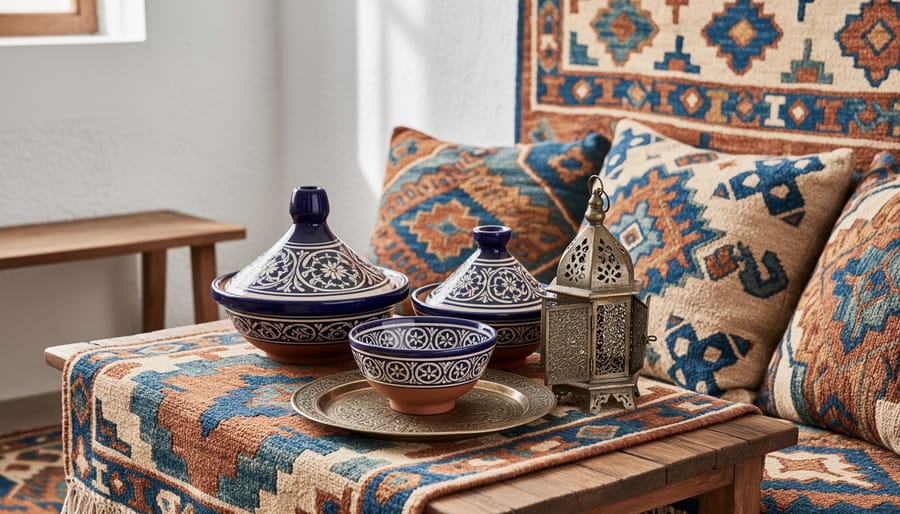
Berber textiles carry stories woven by the indigenous peoples of North Africa’s mountains and deserts, where women have passed down weaving techniques through generations. Each tribe developed distinctive patterns that served as visual languages, communicating protection, fertility, and identity through geometric forms that predate written Amazigh alphabets.
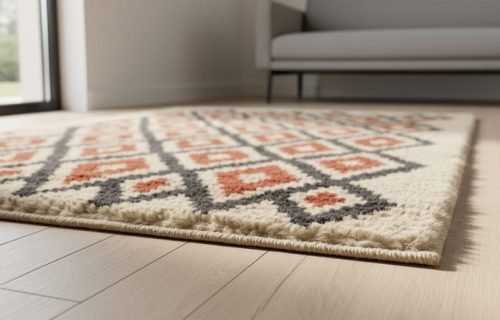
The thick-piled Beni Ourain rugs from the Middle Atlas come in cream wool with black asymmetric diamonds, originally created as bedding against mountain cold. Their abstract patterns resist strict symbolism, reflecting the weaver’s personal expression within tribal tradition. Contrast these with the flat-weave kilims from southern Morocco, where orange, saffron, and indigo create bold stripes and chevrons that speak to desert heat and nomadic movement.
Regional variations reveal themselves in color choices. High Atlas weavers favor undyed natural wool in browns and whites, while Azilal textiles burst with electric pinks and purples, reflecting younger weavers who blend ancestral techniques with contemporary color experimentation. The zigzag pattern you see repeated across regions represents water and fertility in agricultural communities, while diamond shapes often symbolize the eye, offering protection against harm.
When you choose a Berber textile, you’re bringing home more than decoration. Look for irregular edges, slight color variations in hand-dyed wool, and the occasional repair or asymmetry that proves human hands guided every knot. These “imperfections” authenticate the weaver’s individual mark within her tribal tradition.
Artisan Crafts with Living Traditions
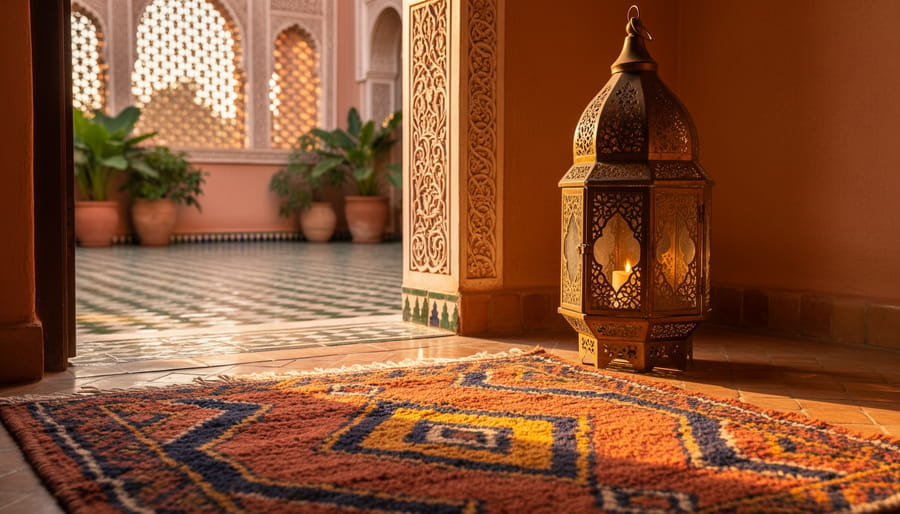
When you bring a Moroccan brass lantern into your home, you’re not just adding ambient lighting, you’re connecting to centuries-old metalworking traditions still practiced in workshops across Fez and Marrakech. These handcrafted pieces carry the fingerprints of artisans who learned their techniques from family members, preserving methods passed down through generations.
Zellige tilework represents one of Morocco’s most distinctive craft traditions. Artisans called maalems hand-chip each small glazed terra-cotta piece into geometric shapes, then assemble them into intricate mosaics without measuring tools or templates. This painstaking process can take weeks for a single panel. The slight irregularities you’ll notice in authentic zellige, uneven edges, color variations, tiny chips, aren’t flaws but signatures of human craftsmanship. Many workshops today still employ young apprentices who spend years mastering the precise angles and color combinations that create those mesmerizing geometric patterns.
Carved cedarwood doors, screens, and furniture come from woodworking cooperatives primarily in the Middle Atlas region, where artisans use traditional hand tools to create elaborate designs. The geometric latticework you see isn’t randomly decorative. These patterns follow mathematical principles and often incorporate symbolic elements representing protection, fertility, or hospitality.
When selecting these artisan pieces, look for signs of hand production: tool marks in woodwork, slight pattern variations in metalwork, the irregular beauty of hand-cut tiles. Ask sellers about the specific workshop or cooperative that created the piece. Many ethical retailers can trace items directly to artisan communities and explain the techniques involved. This connection transforms decorative objects into cultural ambassadors, supporting living traditions while bringing authentic soul to your space.
Color Stories from Morocco’s Ethnic Landscape
Morocco’s color palette isn’t just beautiful, it’s a living map of the country’s ethnic diversity and landscape. Each hue tells a story rooted in Morocco’s geography and cultural heritage, from the terracotta earth of Berber mountain villages to the cobalt blue of coastal medinas influenced by Andalusian artisans.
The ochres and burnt siennas that define many Moroccan interiors come directly from the Atlas Mountains and Saharan regions, where Berber communities have long used local clay and earth pigments. These warm neutrals aren’t decorative choices, they’re the colors of traditional pisé (rammed earth) architecture that keeps homes cool in scorching summers. When you paint a wall in rich terracotta, you’re echoing building traditions that predate modern Morocco by centuries.
Mediterranean blues carry Arab and Andalusian influences, historically used in coastal cities like Essaouira and Chefchaouen. The famous “Majorelle blue” wasn’t invented by French artists, it evolved from indigo dyes traded across North Africa and the protective belief in blue’s ability to ward off evil. Deep teals and turquoise reference the glazed tiles that Islamic craftsmen perfected, making these shades particularly appropriate for bathrooms and water features.
| Color Family | Cultural Origin | Best Room Application |
|---|---|---|
| Desert Ochres & Terracotta | Berber mountain villages, Saharan architecture | Living rooms, bedrooms (grounding warmth) |
| Mediterranean Blues | Arab-Andalusian coastal cities | Bathrooms, kitchens (cooling effect) |
| Spice Market Reds & Saffrons | Trade routes, marketplace culture | Dining rooms, accent walls (energizing) |
| Atlas Mountain Greens | Berber agricultural valleys | Garden rooms, entryways (natural connection) |
Marketplace colors, saffron yellows, paprika reds, cumin golds, reflect Morocco’s position on ancient spice routes where African, Arab, and Berber traders met. Use these vibrant shades as accents rather than dominant colors, the way they appear in actual souks: bursts of intensity against neutral backgrounds. Pair jewel tones with those earthy ochres to honor how these cultures layered color in architectural details, textiles, and ceramics, creating spaces that feel both energizing and grounded in place.
Supporting Authentic Moroccan Artisans
When you invest in authentic Moroccan pieces, you’re not just buying décor, you’re supporting centuries-old craft traditions and the artisan families who keep them alive. The difference between a genuine handwoven Beni Ourain rug and a factory copy goes far beyond aesthetics. Real pieces carry the maker’s hands, their community’s techniques, and often support sustainable livelihoods in remote mountain villages and medina workshops.
Start by researching cooperatives and ethical importers who work directly with Moroccan artisan communities. Organizations certified by fair trade bodies typically provide transparency about where pieces originate and ensure artisans receive fair compensation. Many cooperatives focus on specific regions or crafts, Berber weaving collectives in the Middle Atlas, ceramic workshops in Safi, or metalworking guilds in Fez. These groups often share the stories behind their pieces, connecting you to the actual makers.
Look for telltale signs of handcraft: slight irregularities in zellige tile patterns, the subtle texture variations in hand-hammered brass, or the unique imperfections in woven textiles. Machine-made imitations appear too perfect and uniform. Check stitching on textiles, hand-sewn edges show individual knots and spacing variations. For pottery, genuine pieces bear the fingerprints and tool marks of shaping by hand.
Be willing to pay prices that reflect hours of skilled labor. A complex hand-knotted rug taking months to complete cannot compete with mass-produced versions on price alone. When you purchase thoughtfully from verified sources, your money travels back to artisan communities, funding not just individual families but the apprenticeships and material costs that sustain these living traditions for future generations.
DIY Projects That Celebrate (Not Appropriate) Moroccan Culture
Transform your space with DIY projects that draw inspiration from Moroccan craftsmanship while respecting the cultural significance behind the designs. These hands-on creations celebrate the techniques and spirit of Moroccan artistry without replicating sacred symbols or culturally protected patterns.
Start with paint techniques that capture Morocco’s layered aesthetic. Create a tadelakt-inspired finish using Venetian plaster or limewash paint in warm earth tones, ochre, terracotta, or sand. The authentic tadelakt process involves specific traditional methods, but you can achieve a similar textured, luminous wall treatment that honors the concept without claiming authenticity. Layer colors for depth, allowing undertones to show through in places.
Geometric stenciling offers another respectful approach. Rather than copying traditional Islamic star patterns with precise mathematical and spiritual significance, design your own simplified geometric borders using basic shapes, diamonds, triangles, and rectangles in rhythmic arrangements. Apply these to furniture edges, doorframes, or accent walls using colors found in Moroccan markets: saffron yellow, mint green, or cobalt blue.
Here are specific projects that celebrate Moroccan design principles:
- Paint wooden furniture legs or drawer fronts in contrasting bold colors inspired by marketplace energy, mixing turquoise with coral or indigo with mustard.
- Create texture panels using joint compound and palette knives to mimic the dimensional quality of carved plaster, then paint in monochromatic desert tones.
- Design your own tile-inspired backsplash using tile alternatives like painted wood squares or stenciled ceramic pieces arranged in simple repeating patterns.
- Wrap plain lampshades with fabric featuring generic geometric prints in Moroccan color combinations, adding trim in metallic gold or silver.
- Apply metallic wax or paint to picture frames, mirrors, or boxes to create the worn patina found on aged brass, using techniques that suggest rather than replicate traditional metalwork.
For textiles, consider block-printing simple diamond or chevron patterns onto plain cotton pillows or curtains using fabric paint. These universal geometric shapes appear across cultures, so using them in Moroccan-inspired colors avoids appropriating specific tribal meanings while still capturing the visual spirit.
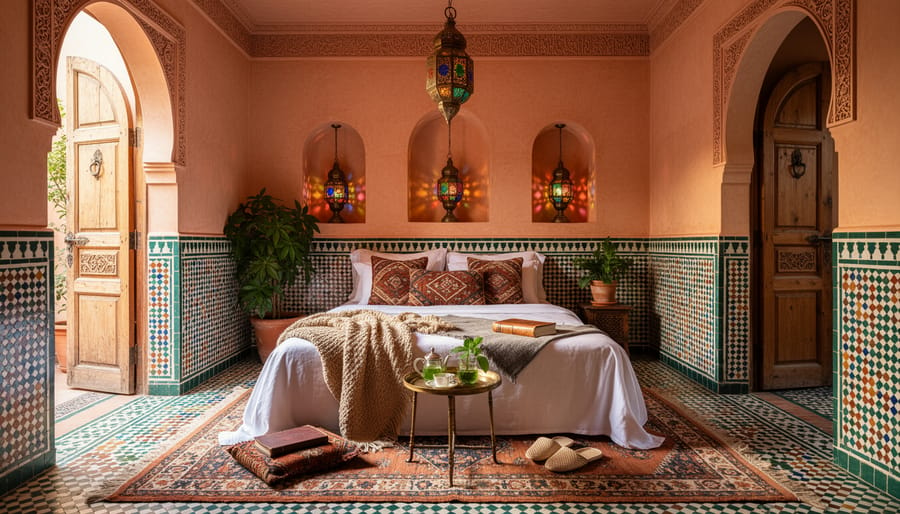
When adapting Moroccan bedroom style focus on layering textures and mixing patterns in ways that reference the abundant approach of Moroccan interiors without copying specific cultural motifs. The goal is inspiration rooted in understanding, not imitation that strips away meaning.
Creating an Ethnically Informed Moroccan Space
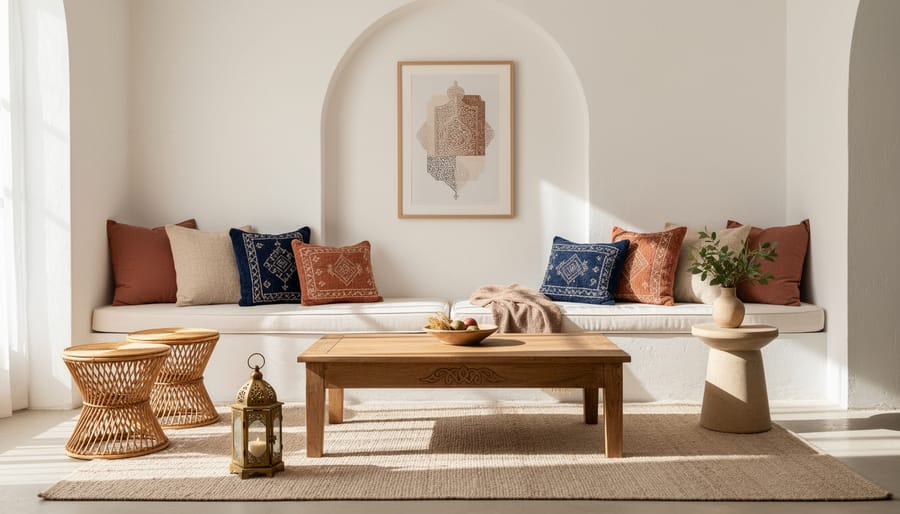
Creating a space that honors Moroccan ethnicity isn’t about filling a room with objects from a catalog. It’s about understanding the cultural layers you’re working with and letting them speak.
Start by choosing one ethnic thread as your foundation, maybe Berber textiles with their protective symbols, or Andalusian geometric principles reflected in tilework. This anchor prevents your space from becoming a disconnected collection of “Moroccan things” and instead tells a coherent cultural story. A room centered on Berber heritage might feature a handwoven rug as the centerpiece, complemented by simple pottery and earth tones that reference Atlas Mountain villages. An Andalusian-inspired space could build from zellige tilework, incorporating Islamic geometric patterns in textiles and metalwork.
Layer your chosen elements the way Moroccan homes naturally evolved. Traditional interiors weren’t decorated all at once, they accumulated meaningful pieces across generations. Place your most culturally significant item where it commands attention, then build around it with restraint. That antique brass tray passed through artisan hands deserves space to breathe, not competition from three other focal points.
Mix eras thoughtfully by recognizing which elements transcend time and which belong to specific moments. Berber weaving techniques haven’t fundamentally changed in centuries, so a contemporary piece from a cooperative sits naturally beside vintage finds. Modern Moroccan furniture that references traditional forms without copying them exactly can bridge old and new.
Most importantly, let function guide form as it does in Morocco. Seating areas arranged for conversation, low tables encouraging shared meals, layered textiles providing warmth, these aren’t just aesthetic choices but reflections of cultural values around hospitality and community. When your space serves connection and comfort while displaying genuine cultural artifacts, you’ve created something that honors Moroccan ethnicity rather than merely decorating with it.
Moroccan interior design carries centuries of cultural wisdom in every woven thread, hammered pattern, and painted tile. When you bring these elements into your home, you’re not just decorating, you’re honoring the Berber artisans who still hand-knot rugs using ancestral patterns, the metalworkers continuing traditions passed through generations, and the vibrant mix of cultures that makes Morocco’s aesthetic so rich.
The difference between a space that feels authentically inspired and one that misses the mark comes down to intention. Ask questions about what you’re buying. Learn the stories behind the symbols. Support artisans who keep these traditions alive rather than corporations mass-producing hollow imitations.
Your Moroccan-inspired space should spark curiosity, not just serve as a backdrop for photos. Display that handcrafted tagine knowing it represents communal meals and family connection. Choose those indigo textiles understanding they reflect generations of dye mastery. Let each piece remind you of the real people and living culture behind the beauty.
This approach transforms decorating into something deeper, a genuine appreciation that respects Morocco’s ethnic heritage while creating a home that truly feels soulful.